Why Modern Growers Are Switching to Integrated Control Systems
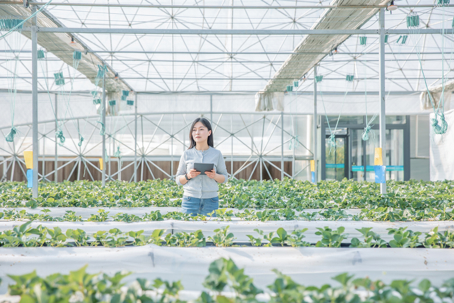
Growing plants indoors or in a greenhouse used to mean checking thermometers and manually turning on fans all day long. Today, technology has changed the game for farmers and greenhouse owners across Indiana and Michigan. Integrated control systems act like a brain for your growing facility, linking all your equipment together so it works as one unit. This shift toward automation helps growers save time, reduce waste, and keep their plants healthier than ever before.
Understanding Integrated Control Systems
An integrated control system is a centralized hub that manages the different mechanical parts of your facility. Instead of having a separate timer for your lights and a manual switch for your heaters, everything talks to a single computer. This allows the system to make real-time decisions based on the actual environment inside your greenhouse. It takes the guesswork out of farming and lets you focus on the quality of your crop.
Precision Control for Better Harvests
Plants thrive when their environment stays consistent, but nature is rarely predictable. A sudden cloud cover or a cold snap in the middle of the night can stress your crops if you aren't there to react. Integrated systems use high-tech sensors to detect these changes instantly and adjust your equipment accordingly. This level of precision ensures that your plants are always in the sweet spot for growth, which often leads to larger and more colorful harvests.
By using these smart systems, growers can manage very specific environmental factors:
- Carbon dioxide levels can be boosted during peak growing hours to speed up plant energy production.
- Vapor pressure deficit (VPD) can be tracked to ensure plants are breathing and absorbing nutrients correctly.
- Light intensity can be dimmed or brightened to save electricity when the sun is providing enough natural warmth.
Slashing Energy Costs and Resource Waste
Running a large-scale growing operation is expensive, especially when it comes to monthly utility bills. When equipment runs independently, you might accidentally have the heater and the cooling fans running at the same time. This is known as "fighting" the thermostat, and it wastes a significant amount of money. An integrated system prevents this by ensuring that only the necessary equipment is active at any given moment.
Energy management becomes much easier when the system tracks peak usage times to help you avoid high utility surcharges. It can also manage water sensors to prevent over-irrigation, which saves money on both water and liquid fertilizers. Even simple things like automated shade cloths can reduce the need for air conditioning during the hottest parts of the day.
Streamlining Daily Operations
One of the biggest hurdles for modern growers is the amount of labor required to maintain a perfect environment. Walking through a facility to check every gauge and turn every knob takes hours that could be spent on plant health or business planning. With a centralized system, you can often check the status of your entire farm from a smartphone or tablet. This remote access provides peace of mind, especially during the stormy Midwest seasons.
These systems offer several major advantages for your daily workflow:
- Instant alerts sent to your phone for power outages or water line breaks.
- Historical data logging to see what conditions led to your best previous harvests.
- Remote overrides so you can adjust settings from home during a weather event.
The Importance of Professional Infrastructure
While the software behind these systems is impressive, it only works if the physical wiring is solid. High-moisture environments like greenhouses are tough on electrical components. Using specialized data cabling and industrial-grade wiring is essential to prevent system failures. Without a reliable backbone, even the smartest computer can’t tell your fans to turn on or your pumps to start.
Professional installation ensures that your fiber optic cabling provides high-speed communication between distant sensors. It also allows for the integration of access control systems to keep your growing areas secure. Finally, a proper setup includes a backup generator installation to protect your entire investment during a total power failure.
Setting Your Greenhouse Up for Success
Transitioning to an integrated control system is a major step toward a more sustainable and profitable future. By bringing your lighting, climate, and water systems under one digital roof, you gain total control over your environment. This technology helps you grow smarter, not harder, while keeping your operational costs as low as possible.
At Hi-Tech Electric Company, we specialize in the complex wiring and design or build projects that keep modern agricultural facilities running. Our team can help you with industrial electrical needs, including energy management and telecommunications setups that form the foundation of these smart systems. Let us handle the technical side so you can focus on growing your best crop yet.
If you’re ready to modernize your facility with reliable electrical solutions, contact our expert team today through our online form or call us at (269) 448-1599 to get your project started.